
The Nature of Justice and Mercy
The Green MileThe novel explores the tension between legal justice and divine mercy, questioning the morality of capital punishment and the possibility of redemption.
increasing Bearing strength in each event
 decreasing
Bearing strength in each eventdecreasingThe Flawed Trial
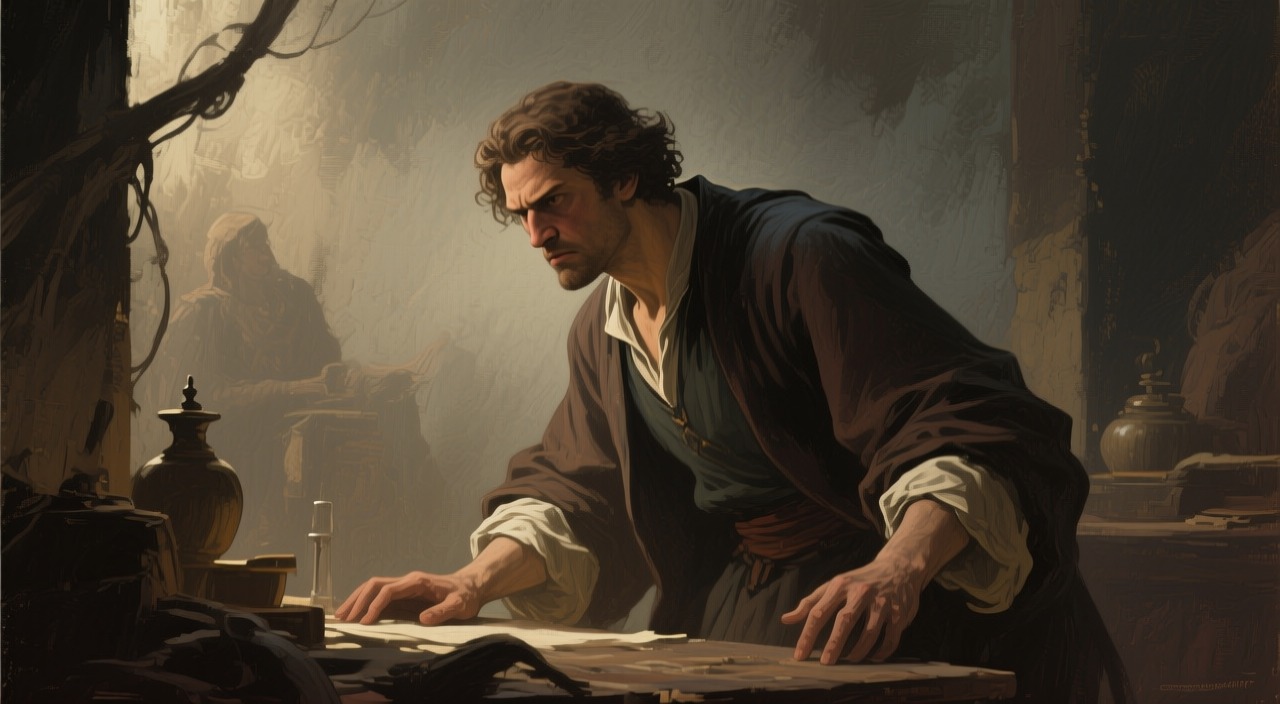
A Rush to Judgment
The Evidence Against Coffey
The trial of John Coffey is swift and biased. The prosecution presents circumstantial evidence: Coffey found holding the bodies, his size, his race. The defense is weak. The jury convicts in forty-five minutes.
The Missing Sausages
Paul later realizes that Coffey could not have tied the lunch bag after feeding sausages to the dog, because he cannot tie a knot. This crucial detail was overlooked. Justice was not served.
The Role of Racism
Coffey's blackness makes him an easy scapegoat. The system is designed to protect white society, not to find truth. This theme pervades the novel.
The Execution as Ritual
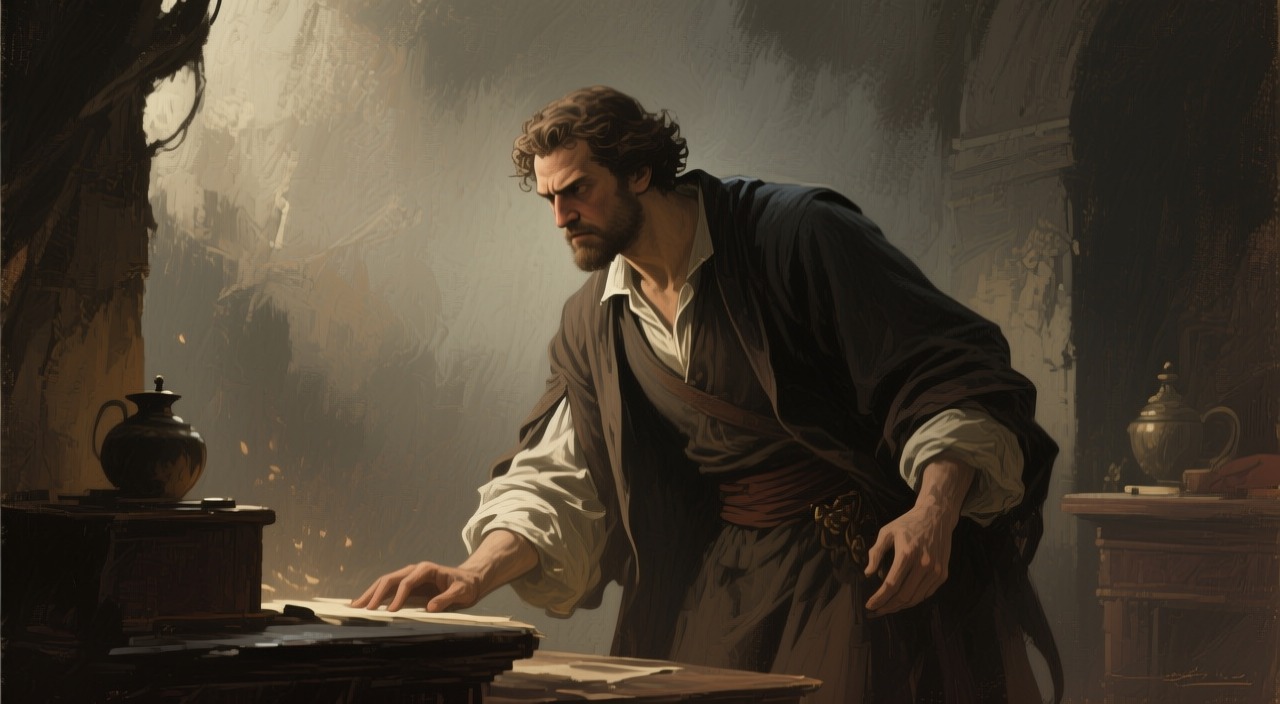
The Machinery of Death
The Green Mile Ritual
Paul describes the careful choreography of executions: the walk, the prayer, the clamping, the sponge, the switch. The ritual is designed to impose order on the act of killing, but it cannot mask the horror.
The Witnesses
Executions are attended by volunteers who seek closure. Paul observes that they often leave more traumatized than satisfied. The ritual fails to provide the catharsis it promises.
The Mask and the Cap
The black mask is meant to spare the witnesses, not the condemned. Paul's decision to let Coffey die without the mask is a small act of mercy within a merciless system.
Miracles and Suffering
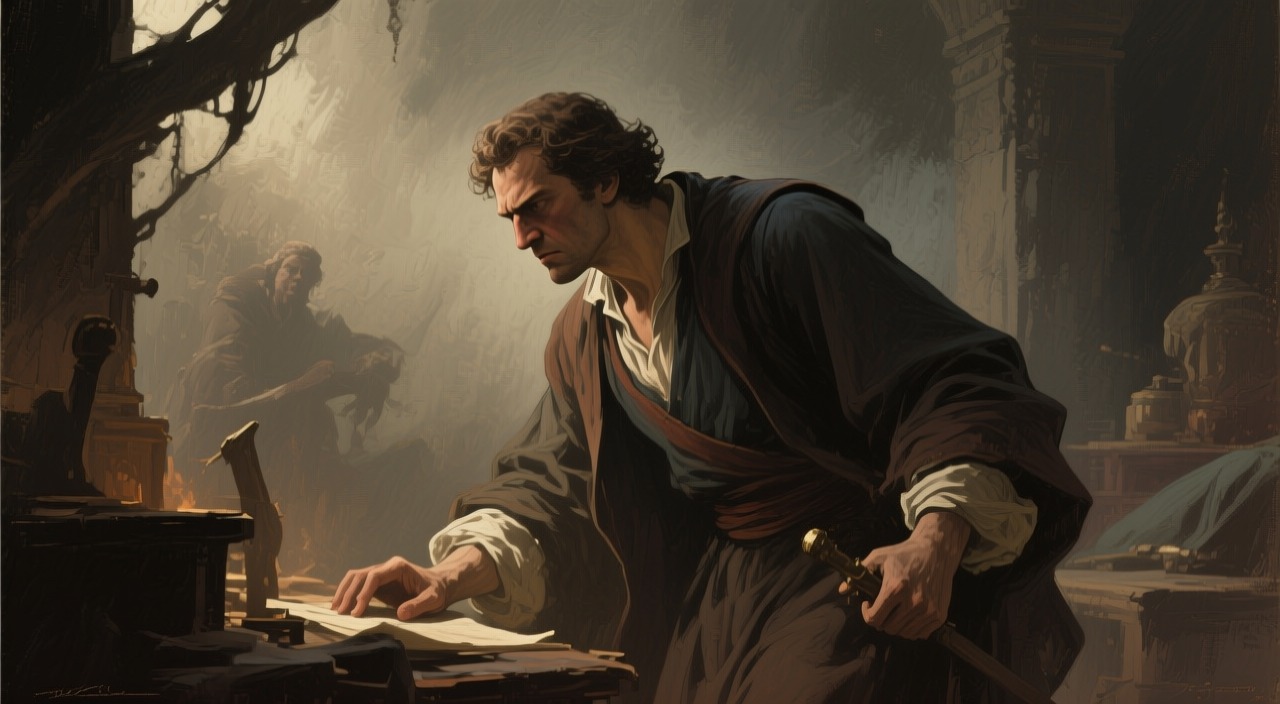
The Paradox of Power
Coffey's Gift
John Coffey has the power to heal, but he cannot save himself. He absorbs the pain of others, but it destroys him. His gift is a curse.
The Unanswered Prayer
Paul prays for Janice's life after the bus crash, but she dies. He realizes that miracles are not guaranteed. Coffey's healing of Melinda was a rare exception, not a rule.
The Burden of Long Life
Paul lives for over a century, outliving everyone he loves. Coffey's gift becomes a punishment. The theme of suffering is central: even divine mercy comes at a cost.
The Green Mile as a Metaphor
The Long Walk
The Physical Mile
The Green Mile is the linoleum corridor leading to the electric chair. It represents the final journey of the condemned. But it also symbolizes the long, painful path of life itself.
Paul's Green Mile
Paul's life after Coffey becomes his own Green Mile. He walks it alone, burdened by memory and loss. The novel's framing device—Paul writing in a nursing home—shows that the Mile never ends.
The Mouse's Journey
Mr. Jingles also walks a long mile, from a wild mouse to a beloved pet to a lonely death. His story mirrors Coffey's and Paul's: a brief moment of joy followed by inevitable sorrow.
Summer 1932, before Coffey's arrival
Throughout the novel, especially during executions
Throughout the novel, especially Coffey's healings
Throughout the novel
